
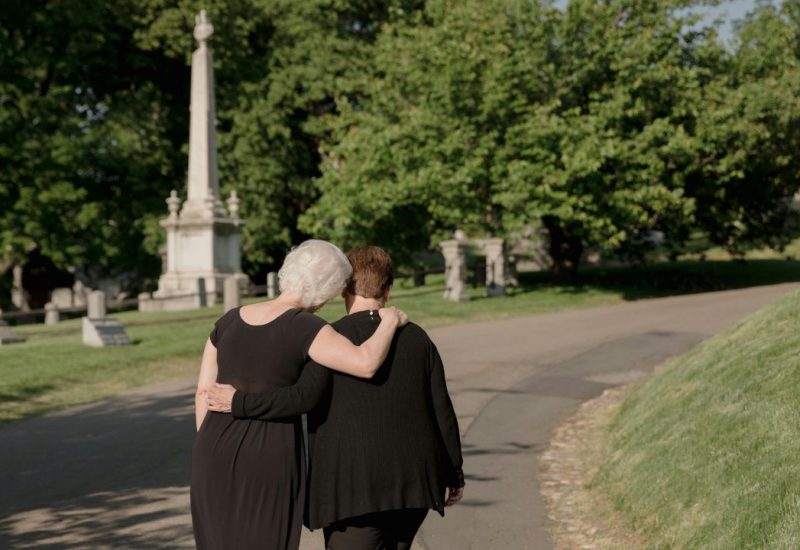
Watching a friend deal with grief can be a struggle. You know you want to help, but also worry about saying the wrong thing or overstepping boundaries. In North Carolina, from the bustling streets of Greensboro to the quiet neighborhoods of High Point, community and connection are the threads that hold us together. Supporting a friend after a loss is not about “fixing” their pain, but rather providing a safe space where they feel seen and supported.
At Emberhaven Counseling, we seek to reignite hope for those passing through their darkest chapters of life. Grief is not a problem to be solved, but a process to undergo. This guide offers practical, evidence-based ways to support your friend while maintaining your own boundaries and energy.
Book a consultation with Emberhaven or keep reading below…
The Grief Experience In North Carolina & Beyond
Grief is a universal human experience. It’s also deeply personal. For families in North Carolina and elsewhere, loss is often processed within the context of family, faith, and community. However, modern life can make the slow pace of grieving feel at odds with the demands of work and school.
Grief often involves a “re-ignition” process. Initially, the fire of a person’s spirit may feel extinguished by the weight of their loss. As a friend, you are not there to provide the spark, but to protect the embers until they are ready to glow again. Recognizing that grief is non-linear is the first step in providing effective support. Your friend may have “good” days followed by sudden setbacks. Both are completely normal.
Practical Ways To Show Up For Your Friend
When someone is grieving, the standard “let me know if you need anything” often places an extra burden on them. When someone is struggling, they may not be up to thinking of ways you can help. Instead you should offer specific, low-pressure support. This approach respects their limited energy during such difficult times.
Offer Specific Help
Instead of asking what they need, try making concrete offers. You might say, “I’m heading to the grocery store in High Point; what can I drop off on your porch?” or “I would love to take your dog for a walk this afternoon.” By taking the guesswork out of the offer, you make it easier for them to accept help without feeling like they are “managing” your kindness.
Be A Consistent Presence
Many people reach out in the first week following a loss, but the weeks and months that follow are often the loneliest. Mark significant dates on your calendar, such as the one-month anniversary or the first holiday season. A simple text that says, “I’m thinking of you today,” goes a long way in ensuring your friend feels their loss is still acknowledged.
Listen Without Fixing
Your friend does not need advice; they need a witness. Avoid platitudes like “everything happens for a reason” or “they are in a better place.” These phrases, while well-intentioned, can feel dismissive of the raw pain they are experiencing. Practice active listening by reflecting back what they say: “It sounds like you’re feeling really overwhelmed today, and that makes a lot of sense.”
Who Benefits From Professional Grief Support
While friendship is vital, some aspects of loss require professional clinical expertise. Professional counseling helps individuals move from being “burned out” by their grief to feeling “stoked” and empowered to navigate their new reality. You might encourage your friend to seek professional support if you notice:
- Prolonged Difficulty Functioning: If they are unable to return to work, school, or basic self-care after several weeks.
- Intense Guilt or Self-Blame: If they are “stuck” in a loop of “what ifs” and “I should haves.”
- Significant Behavioral Changes: Increased substance use or social withdrawal that seems to be worsening over time.
- Persistent Numbness: A total lack of emotion or a feeling of being disconnected from reality for an extended period.
At Emberhaven, we provide a safe space where residents of Greensboro, High Point, and the surrounding Triad area can process these complex emotions without judgment.
Clinical Elements Of Grief Counseling
Professional grief therapy utilizes several evidence-based frameworks to help individuals integrate loss into their lives. Understanding these can help you explain the “roadmap” of therapy to a friend who might be hesitant to start.
Cognitive Behavioral Therapy (CBT) for Grief
CBT helps individuals identify and shift unhelpful thought patterns that may be keeping them “stuck” in their pain. For example, if a friend feels they “don’t deserve to be happy” after a loss, a therapist helps them examine that thought and build a more balanced perspective.
Acceptance and Commitment Therapy (ACT)
ACT encourages individuals to accept their painful emotions rather than fighting them. Through mindfulness, they learn to carry their grief while still taking actions aligned with their values. This is particularly helpful for our younger clients in North Carolina who are navigating identity and boundaries after a significant life change.
The Dual Process Model
Clinical support often focuses on the “Dual Process Model,” where the individual oscillates between processing the loss and restoring their life. A therapist helps the client find the balance between honoring their sadness and engaging in new activities that reignite their sense of agency.
Why Quality Professional Support Matters
When choosing a counseling center in the Triad, it is important to look for licensure and specialized experience. A quality program offers:
- Licensed Clinicians: Verify that providers are North Carolina Licensed Clinical Mental Health Counselors (LCMHC) or Licensed Clinical Social Workers (LCSW).
- Flexible Access: In today’s world, “no-barrier” access is essential. Look for practices that offer both in-person sessions in Greensboro or High Point and telehealth options for those who find travel difficult during their mourning period.
- Transparent Costs: Financial anxiety is a major hurdle. Quality practices should offer quick insurance verification and accept various plans, including North Carolina’s expanded Medicaid.
Why Choose Emberhaven Counseling For Grief Support?
Emberhaven Counseling is a modern “haven” designed for re-ignition. We help you reclaim your story and tend your own flame. We differentiate ourselves through:
- A Modern Safe Space: We ensure that “safe space” is more than a buzzword. Whether you are a young adult like Zane or a resilient woman like Katherine, we validate your unique experience.
- Accessibility: We offer evening and weekend slots to accommodate the busy schedules of North Carolina families and professionals.
- Streamlined Intake: Our digital intake and insurance verification take minutes, not days. We accept most major plans and are proud to serve the community through North Carolina Medicaid.
- Collaborative Connection: For couples like Mark and Sarah, we focus on rebuilding the “spark” and turning shared conflict into deeper connection during times of mutual loss.
Local North Carolina Resources For Grief
In addition to individual counseling, our region offers excellent community resources for those navigating loss:
- Hospice of the Piedmont: Provides bereavement support groups for residents in High Point and Greensboro.
- Hospice of Davidson County: Offers “Creative Counseling” programs that use art to explore healing.
- Senior Resources of Guilford: Hosts grief support groups specifically for older adults navigating the loss of spouses or peers.
How To Start The Healing Process
If you, or a friend, is ready to take the first step, we make the process simple. Reaching out is an act of courage that leads to empowerment and transformation.
- Check Your Coverage: You can verify your insurance and Medicaid benefits on our website in minutes.
- Browse Availability: View our evening and weekend appointments to find a time that fits your life.
- Book a Session: Contact our High Point office at 743-867-7187 or our Greensboro office at 743-867-6529.
Taking this step allows the re-ignition process to begin. You don’t have to carry the weight of loss alone.
Start your healing journey with Emberhaven today…
Crisis And Emergency Guidance
If you or your friend are experiencing a mental health crisis or thoughts of self-harm, help is available immediately.
- 988 Suicide & Crisis Lifeline: Call or text 988 to connect with a trained crisis counselor at any time.
- Crisis Text Line: Text HOME to 741741 for confidential text-based support.
- Emergencies: If there is an immediate danger to life or safety, please call 911.
Learn More
- National Institute of Mental Health (NIMH): Helping Someone with Grief
- Substance Abuse and Mental Health Services Administration (SAMHSA) Resources
- Center for Disease Control (CDC): Grief and Loss
- NAMI North Carolina: Grief Support
- North Carolina Department of Health and Human Services (NCDHHS) Medicaid